Whether you are repairing a damaged wall, finishing a basement, or installing drywall in a newly renovated room, understanding the potential costs can help you plan your project more effectively. However, drywall work does not have one fixed price. The total cost depends on several factors, including the size of the project, the condition of the existing walls, material requirements, labor, and the level of finishing needed.
Hiring a professional can also involve more than the actual installation or repair. Preparation, cleanup, material handling, and additional finishing work may all contribute to the final estimate. Knowing what influences the cost of hiring a drywall contractor makes it easier to compare quotes and avoid unexpected expenses.
1. Size of the Drywall Project
The overall project size is one of the most important factors affecting the cost. Larger areas generally require more materials and labor, increasing the total price.
For example, repairing a small hole in a bedroom wall is usually much less involved than replacing drywall throughout an entire room. Similarly, installing drywall in a basement may require covering multiple walls and ceilings, which increases the amount of work.
Contractors typically consider the square footage of the area, the number of walls involved, and the accessibility of the workspace when preparing an estimate.
However, a larger project does not always mean that the cost per square foot will be higher. In some cases, contractors can complete larger jobs more efficiently because setup, transportation, and preparation costs are distributed across a bigger area.
2. Type and Extent of Drywall Damage
For repair projects, the condition of the existing drywall has a major impact on the final price. Minor cosmetic issues are generally easier to address than extensive structural or moisture-related damage.
Common repair situations include:
- Small nail holes and screw holes
- Cracks along drywall joints
- Dents and surface scratches
- Damaged corners and edges
- Large holes caused by impact
- Water-damaged drywall sections
A small hole may only require patching, joint compound, and sanding. Larger damaged areas might need new drywall pieces, additional framing support, taping, and several finishing coats.
Water damage can make the process more complicated. Contractors may need to identify the source of moisture, remove affected materials, and ensure the area is completely dry before installing replacement drywall. Simply covering damaged material can lead to recurring problems.
Homeowners who need help addressing these issues can explore professional Home Drywall & Painting repair services to understand the available options for damaged walls and ceilings.
3. Drywall Material Selection
Not all drywall products are the same. The material selected for a project can influence both the supply cost and the installation process.
Standard drywall is commonly used for interior walls and ceilings in many residential spaces. However, certain environments may require specialized products.
Some common options include:
Standard drywall: A practical choice for most ordinary interior walls and ceilings.
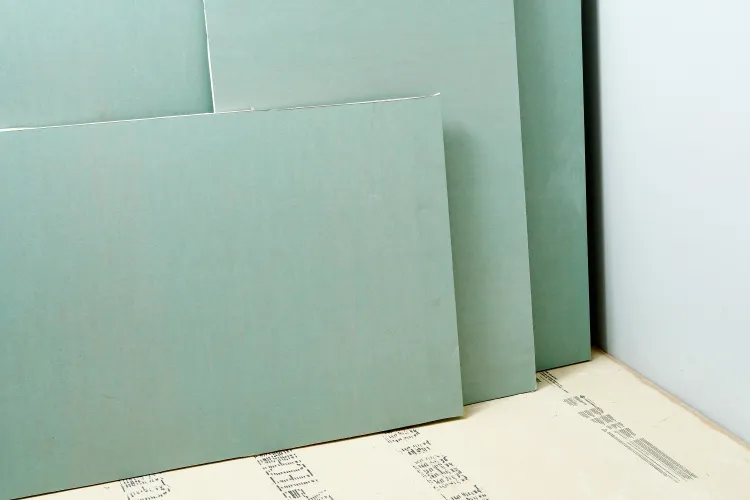
Moisture-resistant drywall: Designed for areas where humidity and occasional moisture exposure are concerns. It may be appropriate for certain bathroom and utility-room applications, depending on the installation requirements.
Fire-resistant drywall: Contains additional fire-resistant properties and is often used where building codes or specific construction requirements call for it.
Sound-resistant drywall: Designed to help reduce sound transmission between rooms when used as part of an appropriate wall assembly.
Specialized drywall products may cost more than standard panels. Contractors also need to consider panel thickness, dimensions, installation requirements, and the surrounding building materials before recommending a suitable option.
4. Labor and Installation Complexity
Labor is another major part of a drywall estimate. The time required to complete the work depends on the project’s design, accessibility, and technical requirements.
Installing drywall on a simple, open wall is generally more straightforward than working around numerous windows, doors, electrical outlets, and architectural features.
Additional labor may be required for:
- Cutting and fitting panels around openings
- Installing drywall on ceilings
- Working in narrow or difficult-to-access spaces
- Repairing uneven framing
- Creating clean corners and transitions
- Applying multiple coats of joint compound
- Matching existing wall textures
Ceiling installations can be particularly demanding because contractors must work overhead and properly support heavier panels during installation.
Complex layouts may also require more measuring, cutting, and finishing. These details can increase the time needed to complete the project and affect the overall estimate.
5. Level of Drywall Finishing Required
Drywall installation is not complete once the panels are attached to the framing. The joints, fasteners, corners, and surface imperfections must also be finished to create a suitable base for decoration.
The required finishing level can influence the price considerably.
Basic finishing may be sufficient in areas where the surface will receive additional coverings. However, spaces with smooth walls and critical lighting conditions may require more detailed work.
Higher finishing standards generally involve additional applications of joint compound, careful sanding, and closer inspection of the surface. A Level 5 finish, for example, includes a skim coat over the entire surface and is often specified when a very smooth appearance is needed.
Homeowners should discuss the expected finish with their contractor before work begins. This helps ensure the estimate reflects the desired result rather than an assumed level of preparation.
6. Surface Preparation and Removal of Old Drywall
Some projects require more than installing new panels or patching visible damage. Existing materials may need to be removed before the contractor can begin.
If old drywall is loose, severely damaged, or affected by moisture, removal may be necessary. This adds labor and may involve protective coverings, debris handling, transportation, and disposal.
Preparation can also include removing old wallpaper, addressing damaged framing, relocating obstacles, and protecting nearby floors or furniture.
The amount of preparation required depends on the property’s condition. A newly framed room may need relatively little preparation, while an older home undergoing renovation may require additional work before installation can begin.
7. Location and Project Accessibility
The location of a property can also influence contractor pricing. Labor rates, transportation expenses, material availability, and local demand can vary between markets.
For example, projects in busy metropolitan areas may have different labor and operating costs than similar projects in smaller communities. Travel distance can also affect estimates when a contractor needs to transport materials, equipment, and workers to the property.
Accessibility is another consideration. A project involving multiple floors, narrow stairways, limited parking, or restricted working hours may require additional planning.
Homeowners should provide accurate property details when requesting estimates so contractors can account for these conditions.
8. Additional Services Included in the Estimate
A drywall project may involve several related services beyond basic installation or repair. These additional tasks can affect the total cost, but they may also reduce the need to hire multiple contractors.
Depending on the project, an estimate may include:
- Removing damaged drywall
- Installing replacement panels
- Taping and mudding joints
- Sanding and surface preparation
- Matching existing wall textures
- Applying primer
- Preparing walls for painting
- Cleaning the work area
Not every contractor includes all these services in a standard quote. Some estimates cover installation only, while others include finishing and preparation for painting.
Before approving a project, homeowners should ask for a clear breakdown of the included work. This makes it easier to compare estimates accurately and understand whether additional charges may apply.
9. How to Compare Drywall Contractor Estimates
Getting more than one estimate can help homeowners understand the expected cost of their project. However, choosing the lowest price is not always the best decision.
Two contractors may provide very different quotes because they are proposing different materials, preparation methods, or finishing standards.
When reviewing estimates, consider the following:
Scope of work: Does the quote clearly explain which areas will be repaired or installed?
Materials: Are drywall panels, joint compound, tape, and other supplies included?
Finishing: Does the price cover sanding, texture matching, and the required finishing level?
Cleanup: Is debris removal and work-area cleanup included?
Timeline: Does the contractor provide a reasonable completion schedule?
Experience: Can the contractor demonstrate the quality of previous drywall projects?
Working with experienced drywall contractors can help homeowners understand the work involved and choose an approach that suits their property’s needs.
The cost of hiring a drywall contractor depends on much more than the amount of drywall required. Project size, existing damage, material selection, labor complexity, finishing standards, and additional preparation all contribute to the final estimate.
Homeowners can avoid many unexpected expenses by identifying project requirements early, discussing the desired finish, and requesting detailed quotes. It is also important to understand exactly which services are included before work begins.
A well-planned drywall project provides a smoother foundation for painting and interior improvements. By evaluating contractors based on experience, workmanship, and the complete scope of services rather than price alone, homeowners can make a more informed decision and achieve better long-term results.