A mailbox is small, but its position near the road makes it one of the first details people see. Thoughtful planting, edging, mulch, stone, and a clear approach can turn that functional spot into a finished part of the front landscape.
Useful mailbox landscape ideas should remain simple enough to maintain. The goal is to frame the mailbox without blocking access, creating visibility problems, or building a tiny garden that becomes difficult to manage.
Give the Mailbox a Clear Visual Base
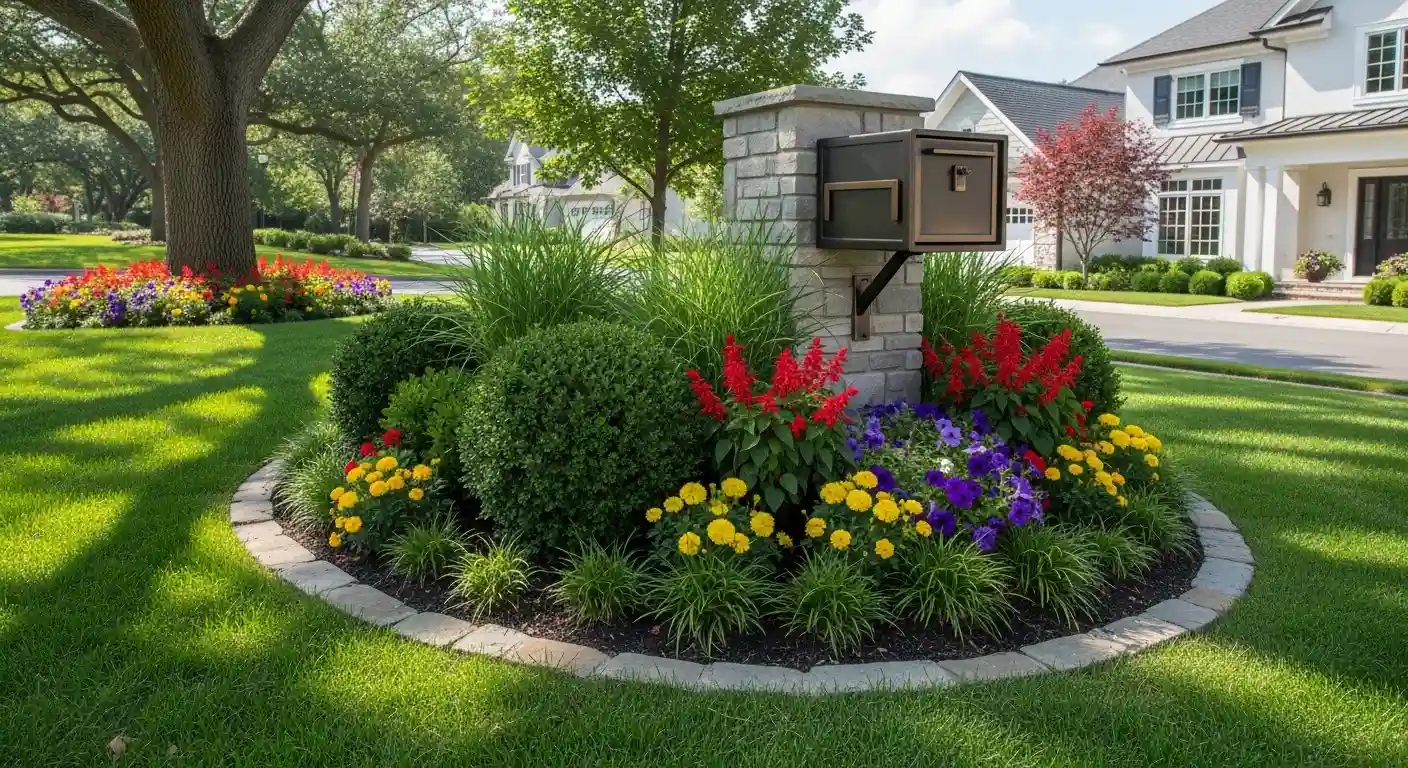
A mailbox often looks disconnected when its post rises directly from lawn with nothing around it. A modest planting bed provides a visual base and makes the installation appear intentional.
Curved beds can suit informal landscapes, while straight or gently angled edges work well with more structured front yards. Keep the bed proportional to the mailbox and nearby frontage.
Mulch, gravel, or low groundcover can help define the area without filling every inch with plants. Leaving some open surface also makes maintenance around the post easier.
Choose Plants That Won’t Take Over
Mailbox planting faces conditions that can be harsher than beds close to the house. Heat from pavement, reflected sun, road debris, and inconsistent watering can all affect plant performance.
Exploring exterior landscape ideas can provide inspiration for combining durable planting with hardscape elements, especially where the mailbox sits close to a driveway, walkway, or other paved feature.
Compact plants are usually easier to manage than vigorous shrubs. Select varieties whose mature size suits the space rather than planning to keep naturally large plants small through constant pruning.
Tie the Area to the House
A mailbox bed feels more polished when it repeats something seen elsewhere on the property. That might be the same edging material, a familiar ornamental grass, a flower color, or stone that appears near the entrance.
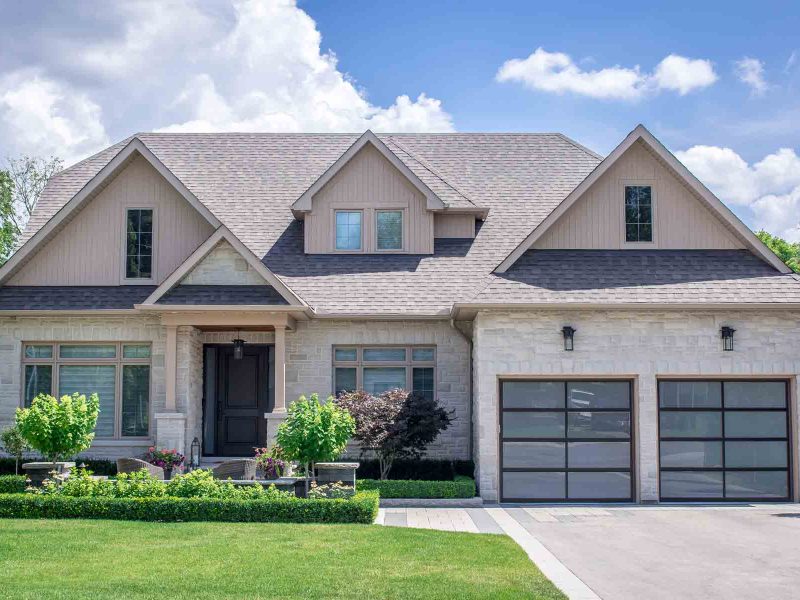
Looking at welcoming home design details can help with this kind of repetition. Small visual connections between the road edge and the house make the frontage feel planned as one composition.
| Element | Simple Choice | Benefit |
|---|---|---|
| Bed shape | Compact curve or rectangle | Defines the area |
| Planting | Low, durable varieties | Easier maintenance |
| Surface | Mulch or gravel | Cleaner ground |
| Accent | One repeated material | Connects to house |
Don’t overload the bed with decorations. Signs, stones, ornaments, multiple flower colors, and several edging materials can make a small space look crowded quickly.
Keep Access and Property Use Practical
The mailbox still needs to function. Postal access, roadside visibility, mowing patterns, snow or rain conditions, drainage, and vehicle movement should all influence the layout.
Homeowners exploring front property improvements may benefit from viewing the mailbox zone as part of the wider property edge. Its design should relate to the driveway, roadside drainage, lawn, and boundary rather than existing as a decorative island.
Avoid creating a bed so deep that reaching the mailbox becomes awkward. Planting should frame the post while keeping the operational side comfortably accessible.
What Often Makes Mailbox Landscaping Look Messy?
The most common problem is scale. Large shrubs or tall flowers can overwhelm the mailbox and may eventually hide it rather than improve it.
Poor edging is another issue. Because mailbox beds sit in highly visible lawn areas, spreading grass and irregular borders can make the entire feature look neglected even when the plants are healthy.
Seasonal gaps also matter. A bed built entirely around short-lived flowers may look empty for much of the year. A simple structural plant or groundcover can provide continuity between flowering periods.
Frequently Asked Questions
What plants work best around a mailbox?
Choose plants suited to the local sun, soil, water availability, and roadside exposure. Compact varieties that tolerate heat and require limited pruning are often easier to maintain in a small mailbox bed.
Should mailbox landscaping match the front garden?
Repeating one or two plants, materials, or colors can create a useful visual connection. The mailbox area doesn’t need to duplicate the main garden, but it should feel like part of the same property.
Is mulch or gravel better around a mailbox?
Either can work. Mulch offers a softer garden appearance and helps cover soil, while gravel can create a crisp look and may suit dry planting schemes. The best choice depends on the surrounding landscape and maintenance preferences.
Finish the Edge Without Overworking It
Mailbox landscaping succeeds through restraint. Define a clean bed, choose plants that fit the available space, repeat one or two details from the house, and protect easy access. A small, controlled design often looks more finished than an elaborate arrangement that demands constant trimming and seasonal rebuilding.